
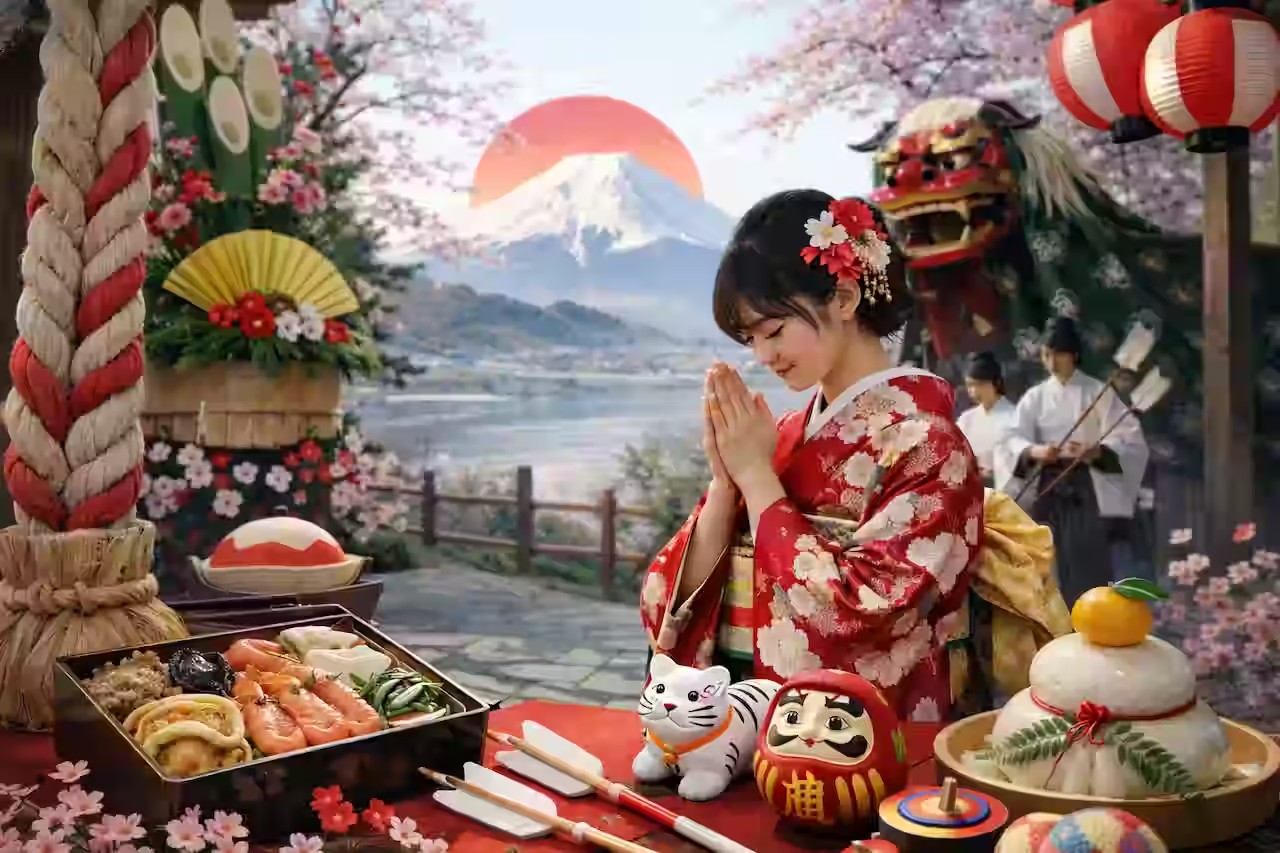
The Japanese New Year, known as Shōgatsu (正月), is one of the most important and festive times of the year in Japan. It is a period filled with centuries-old customs, family gatherings, and unique events that blend tradition and modernity. Here, we explore the rich cultural practices and major events that take place around the New Year in Japan.
1. Year-End Preparations
Ōsōji (大掃除) – The Big Year-End Cleaning
In late December, families perform a thorough house cleaning called Ōsōji. This custom is rooted in the belief that a clean home welcomes the Toshigami-sama (Year God), who brings good fortune for the coming year. It’s also a symbolic way to let go of the previous year’s troubles and start fresh.
Nengajō (年賀状) – New Year’s Cards
Sending Nengajō, or New Year’s postcards, is a cherished tradition. People write messages of gratitude and well-wishes to friends, relatives, and business associates. The Japanese postal service ensures these cards are delivered precisely on January 1st, and receiving a stack of nengajō is a highlight of the holiday.
Kadomatsu and Shimekazari – New Year Decorations
Homes and businesses are adorned with Kadomatsu (pine and bamboo arrangements) and Shimekazari (sacred straw rope decorations). Kadomatsu are placed at entrances to invite the Toshigami-sama, while shimekazari ward off evil spirits and signify purity. These decorations are typically displayed from late December until January 7th.
2. Year-End Event
Toshikoshi Soba (年越しそば) – New Year’s Eve Soba Noodles
On Ōmisoka (New Year’s Eve, December 31st), families eat Toshikoshi Soba, a dish of long buckwheat noodles. The length of the noodles symbolizes longevity and the cutting of hardships from the past year. It’s a simple but meaningful meal enjoyed just before midnight.
Joya no Kane (除夜の鐘) – The 108 Bells
At Buddhist temples across Japan, the Joya no Kane ceremony is held, in which a large bell is rung 108 times. This number represents the 108 earthly desires (bonnō) in Buddhist belief. The ringing is thought to cleanse people of their sins and worries, allowing them to enter the new year with a pure heart.
Kohaku Uta Gassen (紅白歌合戦)
A beloved annual television event, Kohaku Uta Gassen is a music competition aired on New Year’s Eve. Top male and female artists (the Red and White teams) perform, and viewers across the country tune in as part of their year-end festivities.
3. New Year’s Day and Traditions
Hatsuhinode (初日の出) – First Sunrise of the Year
Many people wake up early on January 1st to witness the Hatsuhinode, the first sunrise of the new year. Watching the sunrise from mountains, beaches, or rooftops, people pray for happiness, health, and success in the coming year.
Hatsumōde (初詣) – First Shrine Visit
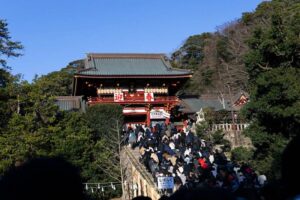
Hatsumōde is the first visit to a Shinto shrine or Buddhist temple in the new year. Families and friends dress up and pray for good fortune. Popular shrines, such as Meiji Jingu in Tokyo or Fushimi Inari in Kyoto, attract millions of visitors. Many people draw omikuji (fortune slips) and purchase lucky charms.
Osechi Ryōri (おせち料理) – Traditional New Year’s Cuisine
Osechi Ryōri is a special set of dishes served in beautifully decorated lacquer boxes (jubako). Each item has symbolic meaning: black beans for health, herring roe for fertility, sweet rolled omelet (datemaki) for scholarship, and more. Preparing and sharing osechi is a way to wish for prosperity and happiness.
Ozōni (お雑煮) – New Year’s Soup
Ozōni is a soup with mochi (rice cakes) and vegetables, with regional variations in ingredients and flavor. In eastern Japan, it is often made with clear broth and chicken, while in western Japan, miso-based ozōni is common. Eating ozōni is believed to bring good luck and strength for the year ahead.
Otoshidama (お年玉) – New Year’s Money Gifts
Children eagerly anticipate Otoshidama, envelopes containing money given by parents, grandparents, and relatives. The amount varies by age and family, but receiving otoshidama is a highlight of the holiday for kids.
Traditional New Year’s Games and Activities
During the New Year, families enjoy traditional games such as takoage (kite flying), hanetsuki (badminton-like game with wooden paddles), komamawashi (spinning tops), and karuta (a card-matching game). These activities foster family bonds and connect generations.
4. Other Events Around New Year
Shichifukujin Meguri (七福神めぐり) – Pilgrimage of the Seven Lucky Gods
Some people participate in the Shichifukujin Meguri, visiting shrines and temples dedicated to the Seven Lucky Gods. This pilgrimage is believed to bring good fortune and happiness for the new year.
Hatsuyume (初夢) – First Dream of the Year
The content of one’s first dream (hatsuyume) on the night of January 1st is thought to predict luck for the coming year. Dreaming of Mt. Fuji, a hawk, or an eggplant is considered especially auspicious.
Hatsuuri (初売り) and Fukubukuro (福袋) – New Year Sales and Lucky Bags
From January 2nd, department stores and shops hold hatsuuri (first sales) and sell fukubukuro (lucky bags) filled with mystery items at a discount. Shoppers line up early to grab these popular bargains.
Seijin no Hi (成人の日) – Coming of Age Day
On the second Monday of January, Seijin no Hi celebrates young people who have turned 20, the age of adulthood in Japan. Ceremonies are held at local government offices, and new adults dress in traditional attire—women in furisode kimono, men in suits or hakama—and gather to mark their new responsibilities.
Conclusion
Japanese New Year is a vibrant and meaningful celebration, blending ancient customs with modern festivities. It is a time for reflection, gratitude, and renewal a chance to strengthen family ties, honor the past, and look forward to the future. If you ever visit Japan during this season, you’ll experience a unique and heartwarming side of Japanese culture that leaves lasting memories.


Comments