
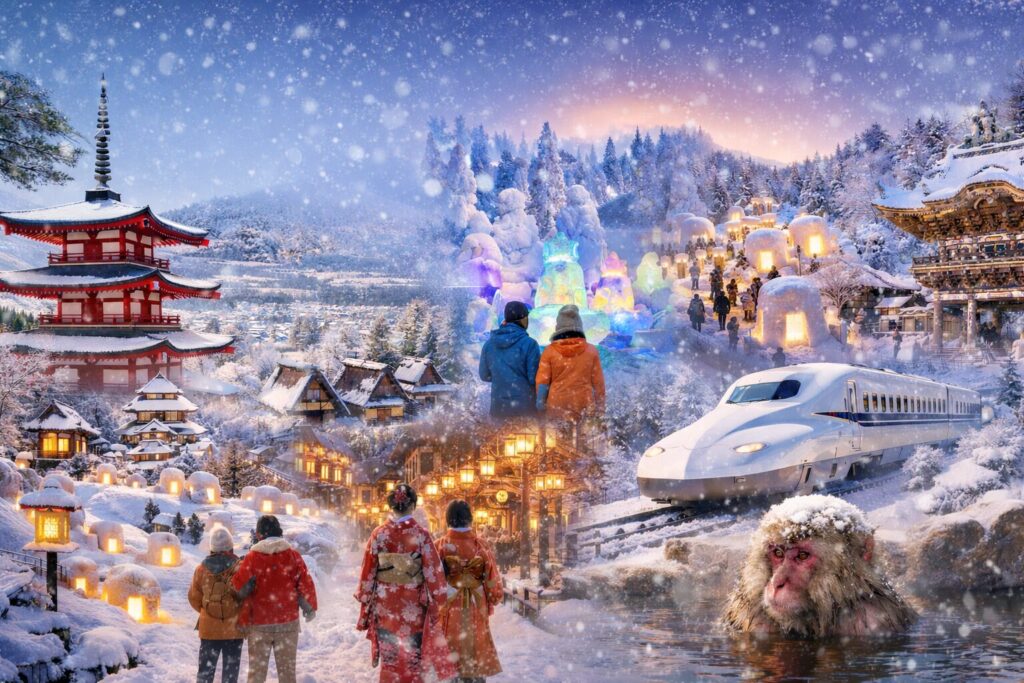
Japan’s winter (December–March) transforms the country into a snowy wonderland, from majestic ice festivals in the north to historic villages lit up with snow lanterns. This budget-friendly guide helps you plan snow trips from Tokyo, with area highlights, seasonal event timelines, official tourism and event links, and approximate travel costs (¥ and $).
Price guide: As of early 2026, approximately ¥1,000 ≈ $7.50–8.00 (USD).
1. Hokkaido: Snow Sculptures, Ice Lights & Festivals
Sapporo: Snow Festival & Winter City Vibe
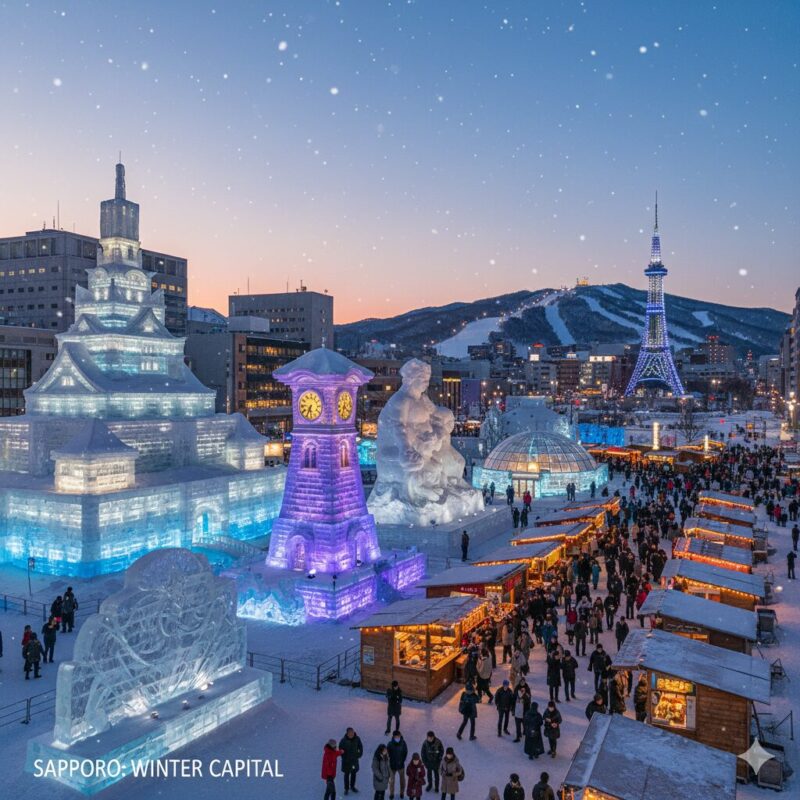
Why go: Sapporo is Hokkaido’s winter capital with grand snow and ice sculptures, lively city events, seasonal food stalls, and night illuminations that turn the city into a festival ground. The event draws visitors from around the world. Beyond the festival, Sapporo offers excellent winter cuisine including hot seafood bowls, soup curry, and Hokkaido ramen that warm you from within. The city’s beer culture thrives year-round, with the historic Sapporo Beer Museum offering tastings and tours. Winter sports enthusiasts can also access nearby ski resorts like Teine and Kokusai within 40 minutes of downtown.
Seasonal Events:
- Sapporo Snow Festival: Early February (e.g., Feb 4–11, 2026). Snow and ice sculptures across multiple sites including Odori Park, Susukino, and Tsu Dome; free entry to outdoor sites.
- ▶ Official event info: https://www.snowfes.com/
- Shiroi Koibito Park Illumination: Mid-Nov to Mar, themed lights at the chocolate park, featuring European-style architecture and stunning light displays (great for families & couples).
- ▶ Official park info: https://www.shiroikoibitopark.jp/
Official tourism:
- ▶ https://www.sapporo.travel/ (Sapporo City Tourism)
Budget tip: Visit on weekdays and combine with other Hokkaido winter festivals to save on accommodation. Flights can be cheap in off-peak periods.
Jozankei: Snow Lanterns & Hot Spring Mystery
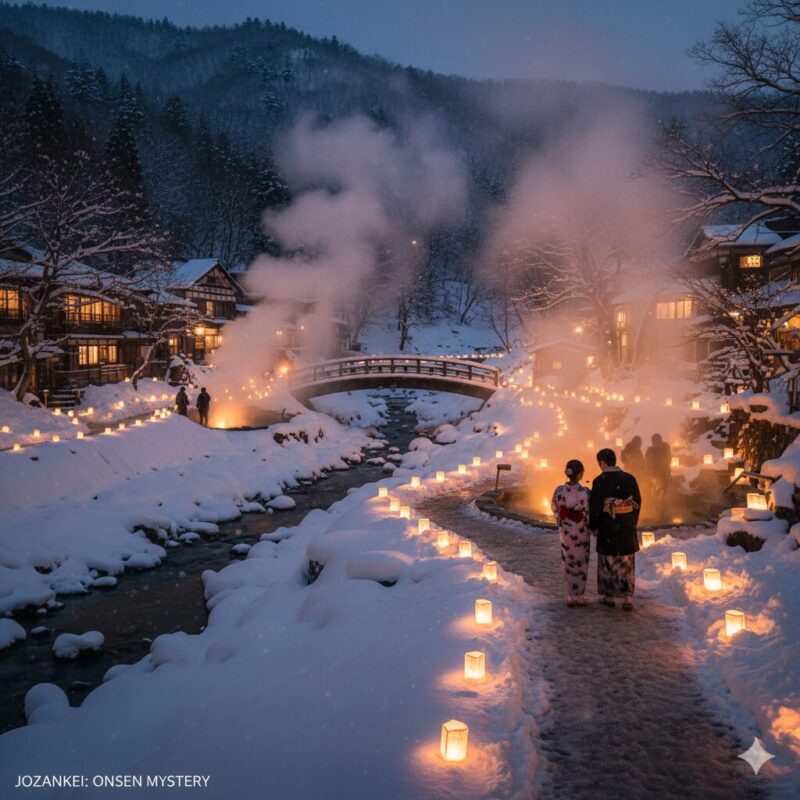
Why go: This onsen town near Sapporo (50 minutes by bus) offers a quieter, romantic winter environment with snow candle paths, local winter illuminations, and steaming hot springs, ideal for couples and photography lovers. The contrast between cold mountain air and warm outdoor baths creates an unforgettable sensory experience. The area is also known for its autumn foliage viewing spots, which transform into snow-covered forest trails in winter. Local ryokan serve kaiseki meals featuring Hokkaido seasonal ingredients.
Seasonal Event:
- Jozankei Snow Lantern Festival / Yukitouro: Late January to early February, handcrafted snow candles light paths along the river at night, creating a dreamy atmosphere.
- ▶ Event page: https://jozankei.jp/en/event/yukituro2026/
Official tourism:
- ▶ https://jozankei.jp/ (Jozankei Tourism)
Lake Shikotsu Ice Festival: Ice Sculptures & Lights
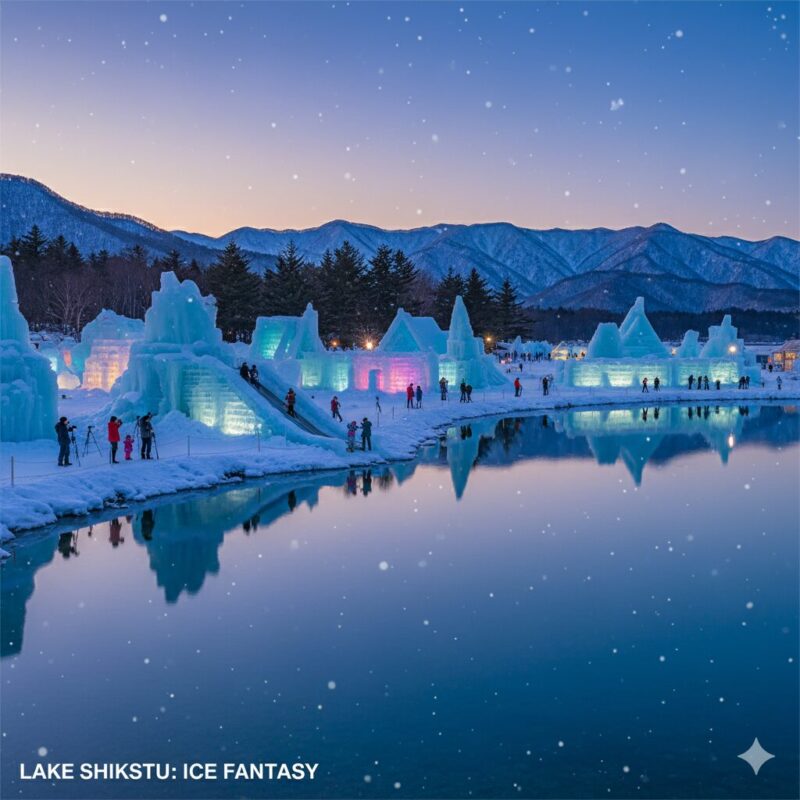
Why go: Lake Shikotsu’s winter lights and ice sculptures reflect in the crystal-clear lake environment. Features ice slides, tunnels, and colorful illumination, fun for families and photographers alike. The lake itself is renowned for its exceptional water clarity (one of Japan’s clearest lakes) and remains unfrozen due to its depth, creating stunning reflections of the illuminated ice structures. The surrounding Shikotsu-Toya National Park offers winter hiking trails and wildlife spotting opportunities.
Seasonal Event:
- Lake Shikotsu Ice Festival: Late Jan–late Feb (e.g., Jan 31–Feb 23, 2026); evening illuminations with color-changing LED lights create magical ice sculptures.
- ▶ Event info: https://hyoutou-special.asia
Official tourism:
- ▶ https://www.welcome.city.chitose.hokkaido.jp/ (Chitose & Lake Shikotsu tourism)
- ▶ https://www.uu-nippon.ph/hokkaido/ (Hokkaido tourism)
2. Tohoku: Snow Monsters, Snow Lanterns & Traditions
Zao: Snow Monsters & Night Lights
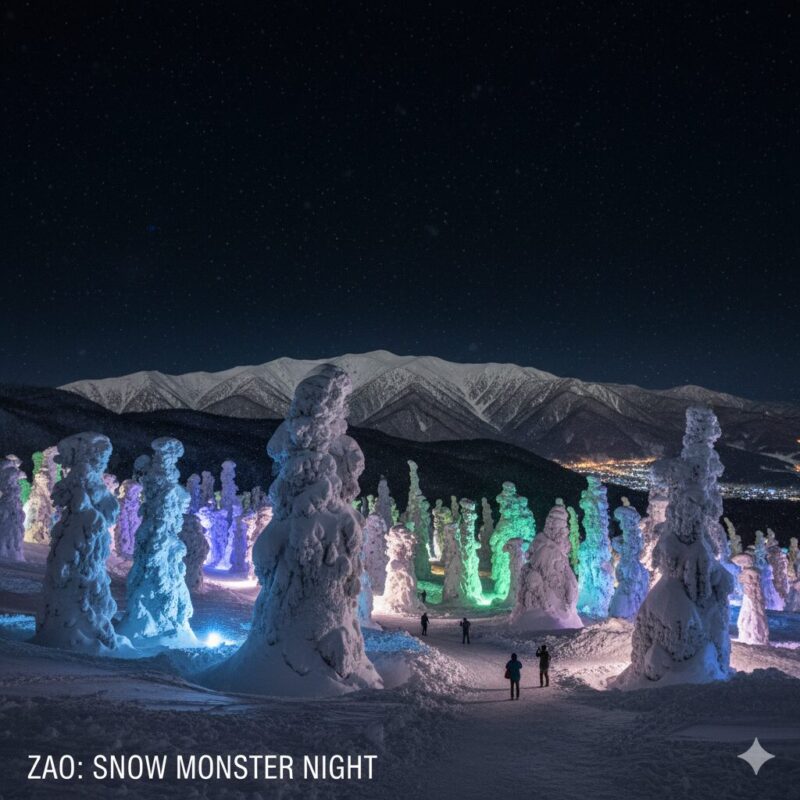
Why go: Zao’s juhyo (“snow monsters”), trees heavily coated in snow and ice, create surreal winter art found nowhere else in the world. These natural ice formations occur at high elevations where strong winds and heavy snowfall combine with specific tree species. Night illumination during winter adds dramatic contrast, transforming the monsters into otherworldly sculptures. The onsen culture warms you after exploring, with sulfurous hot springs known for skin-smoothing properties. The area also offers excellent skiing and snowboarding with powder snow conditions.
Seasonal Event:
- Zao Snow Monster Festival / Snow Monster Light-Up: Late Dec–Feb (night lights and ropeway rides to viewing platforms).
- ▶ Seasonal info: https://www.zao-spa.or.jp/
Official tourism:
- ▶ https://www.zao-spa.or.jp/ (Zao Onsen)
- ▶ https://yamagatakanko.com/ (Yamagata Prefecture tourism)
Ginzan Onsen: Romantic Snow Town
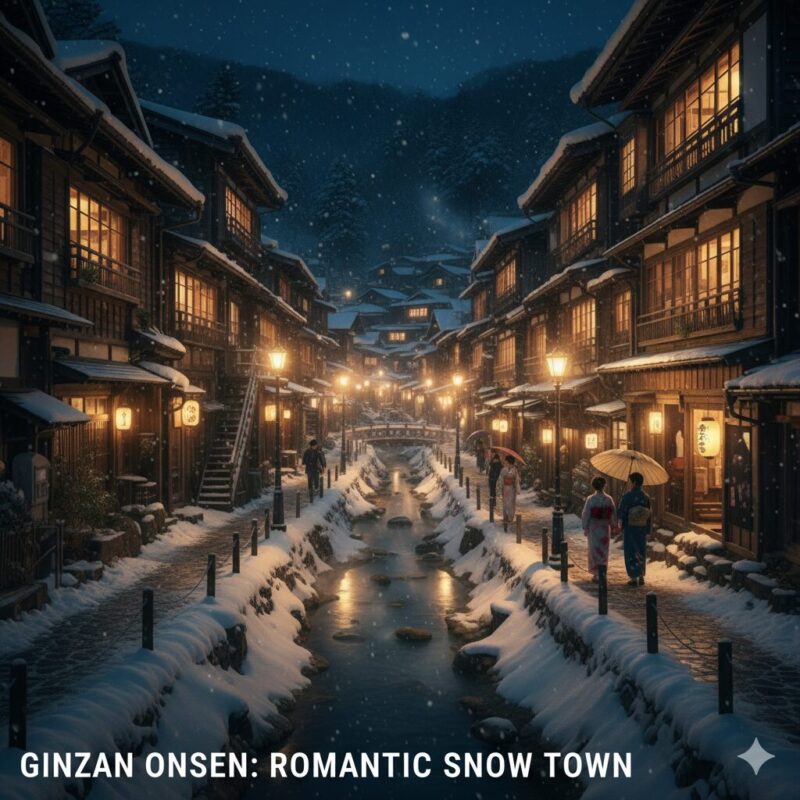
Why go: A riverside onsen village with historic wooden inns and glowing lanterns straight out of a Ghibli film. Snow at night turns the town into a magical postcard scene, with gas lamps casting warm light on falling snowflakes. The narrow street lined with three and four-story wooden ryokan has remained virtually unchanged since the Taisho era (1912-1926). Photography restrictions in the evening help preserve the peaceful atmosphere. This is one of Japan’s most romantic winter destinations, popular with couples and honeymooners.
Official tourism:
- ▶ https://www.ginzanonsen.jp/ (Official Ginzan Onsen site)
- ▶ https://yamagatakanko.com/attractions/detail_1044.html (Yamagata tourism – Ginzan)
Other Local Winter Highlights (Tohoku)
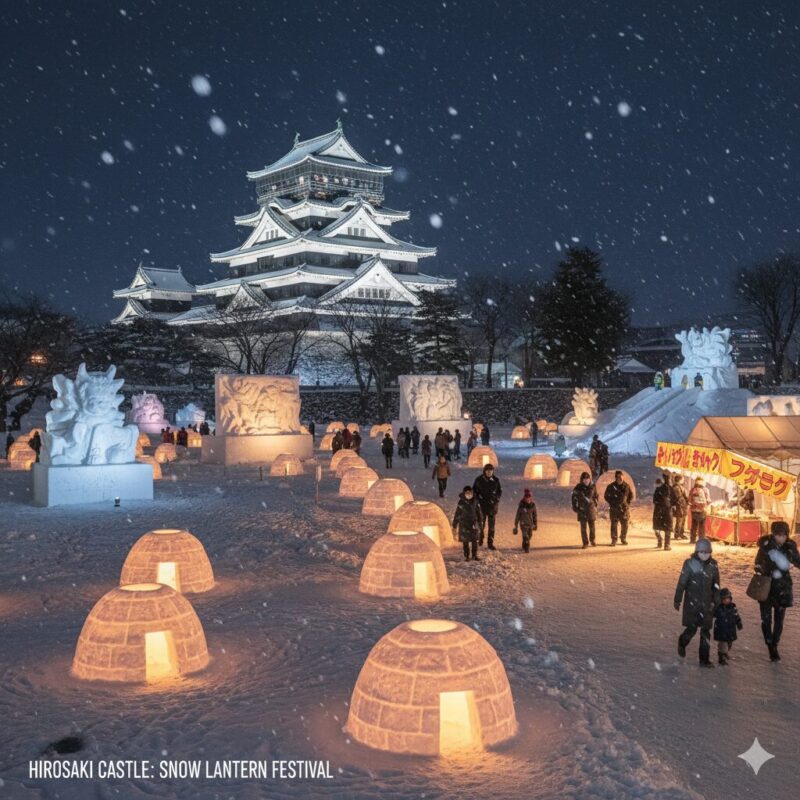
Hirosaki Castle Snow Lantern Festival (Aomori): Early February with snow lanterns and small kamakura huts lighting the historic park, with hundreds of snow lanterns creating a warm glow against Hirosaki Castle. The festival also features large snow sculptures, slides for children, and local food stalls serving hot amazake and grilled squid.
- ▶ Official info: https://www.hirosaki-kanko.or.jp/web/edit.html?id=cat02_winter_yutourou
- ▶ Hirosaki tourism: https://www.hirosaki-kanko.or.jp/
Lake Towada & Oirase Winter Art: The frozen lake and partially frozen Oirase Stream offer stunning ice formations and winter forest scenery.
- ▶ Towada tourism: https://towadako.or.jp/
3. Central Japan & Japan Sea Coast: Snow Villages & Winter Culture
Shirakawa-go: Snow-Covered Heritage Village
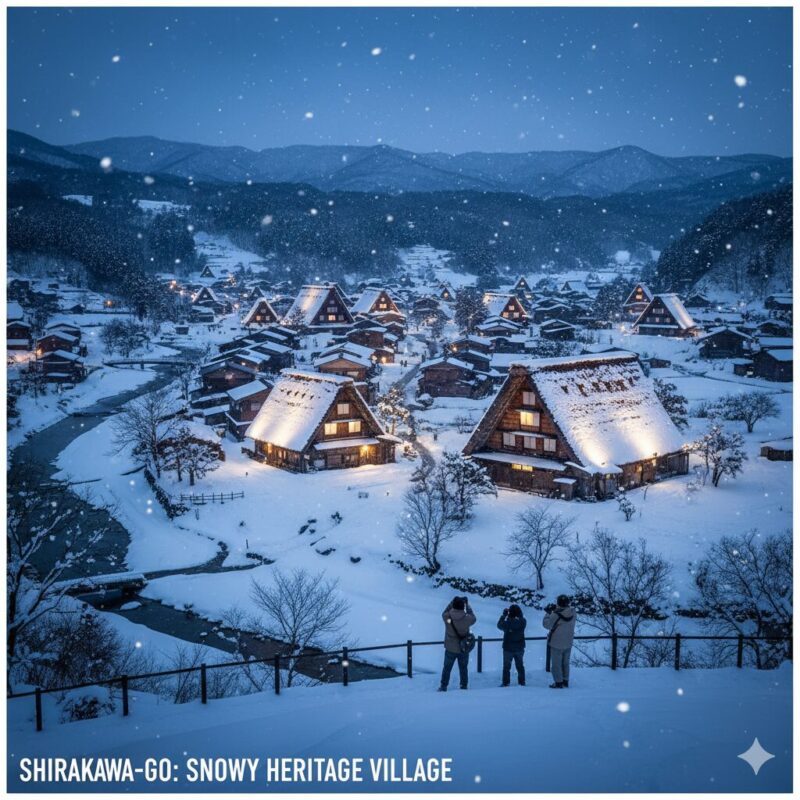
Why go: The UNESCO-listed thatched-roof farmhouses (gassho-zukuri) surrounded by deep snow are iconic winter images of Japan. On special nights in winter, soft lighting illuminates the village for a fairytale atmosphere that attracts photographers worldwide. The steep thatched roofs were designed to handle heavy snowfall, and several farmhouses are open as museums where you can learn about traditional rural life. The observation deck offers panoramic views of the entire village blanketed in snow. Stay overnight in a farmhouse guesthouse for an authentic experience including hearth-side meals and local hospitality.
Seasonal Event:
- Shirakawa-go Winter Light-Up: Select winter dates (usually 6-7 evenings in Jan-Feb) with advance reservations required; check official site for 2025–26 schedule.
- ▶ Light-up reservations: https://lightup.asia/
Official tourism:
- ▶ https://www.shirakawa-go.gr.jp/ (Shirakawa-go Tourism)
Kanazawa: Castle Garden Snow & Cultural Treasures
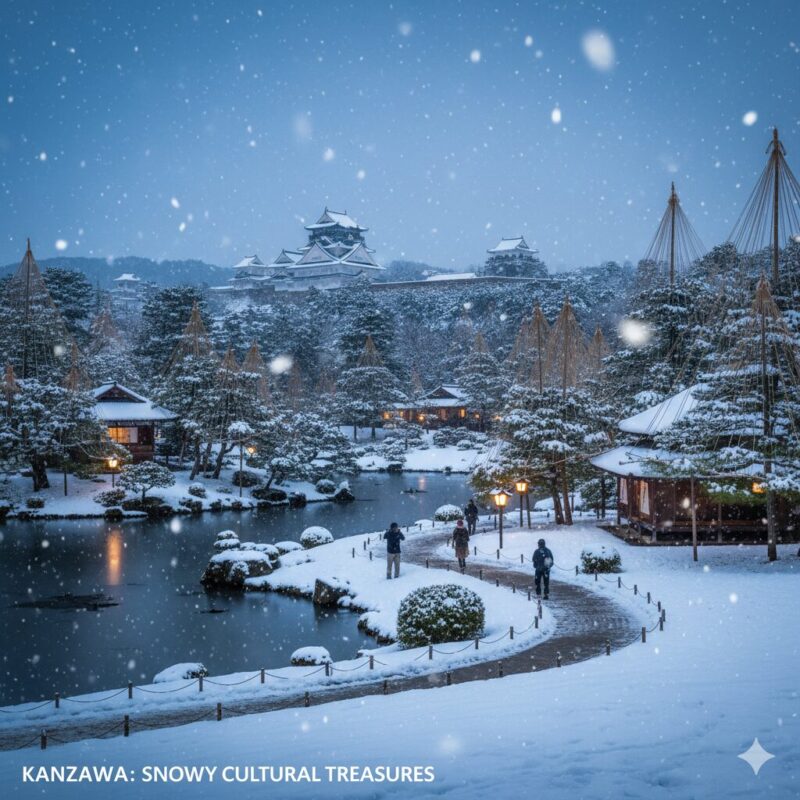
Why go: A classic Japanese city with snow-protected gardens and rich cultural scenes, Kanazawa under soft white snow is especially photogenic in Kenrokuen Garden (one of Japan’s Three Great Gardens) and old samurai districts. The city escaped bombing in WWII, preserving its historic neighborhoods including the geisha district of Higashi Chaya. Winter brings unique yukitsuri (rope supports protecting trees from snow), creating umbrella-like patterns throughout Kenrokuen. Visit the 21st Century Museum of Contemporary Art, gold leaf workshops, and covered Omicho Market for fresh seafood. Traditional crafts like Kaga yuzen silk dyeing and Kutani porcelain make excellent souvenirs.
Official tourism:
- ▶ https://visitkanazawa.jp/ (Kanazawa tourism)
- ▶ Kenrokuen Garden: https://www.pref.ishikawa.jp/siro-niwa/kenrokuen/
Echigo-Yuzawa: Snow Country Views & Onsen
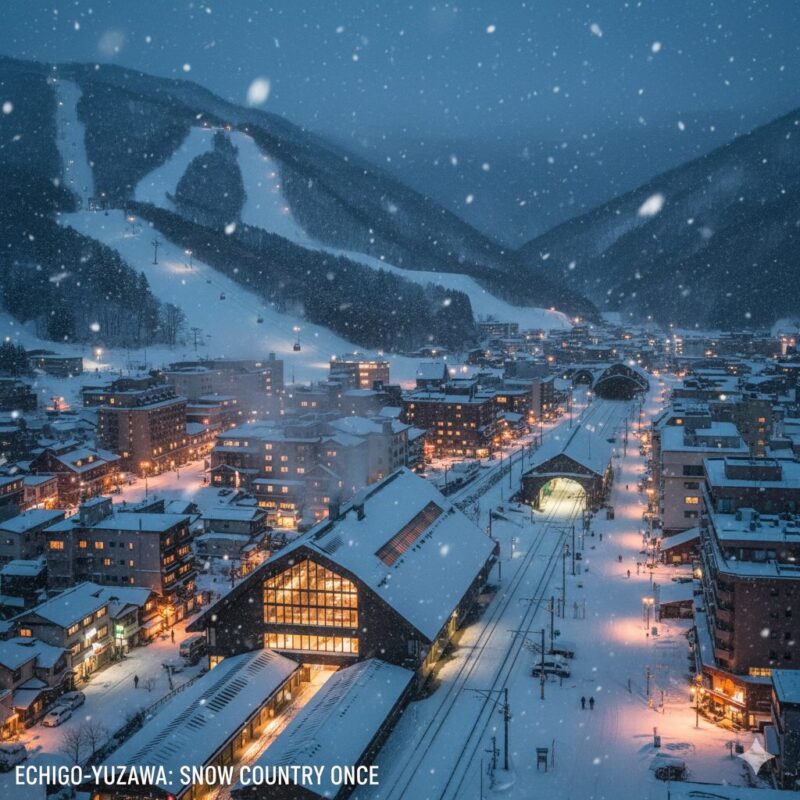
Why go: Closest big snow destination from Tokyo (75 minutes by Shinkansen), with ski areas, hot springs, and winter village ambiance. This is the setting of Kawabata’s Nobel Prize-winning novel “Snow Country.” Often paired with seasonal events like mid-Feb snow festivals in neighboring areas (e.g., Tokamachi). The station building itself houses onsen facilities, restaurants, and sake tasting centers featuring local Niigata sake. Over a dozen ski resorts are accessible from the town, ranging from beginner to advanced terrain.
Seasonal Highlight:
- Tokamachi Snow Festival: Mid-Feb with snow sculptures, performances, and fireworks in the neighboring city.
- ▶ Event info: https://snowfes.jp/
Official tourism:
- ▶ https://www.e-yuzawa.gr.jp/ (Echigo-Yuzawa tourism)
- ▶ https://www.japan.travel/en/spot/1450/ (JNTO: Echigo-Yuzawa)
4. Kanto & Nearby Snow Events
Nikko: Snow-Clad Shrines & Waterfalls
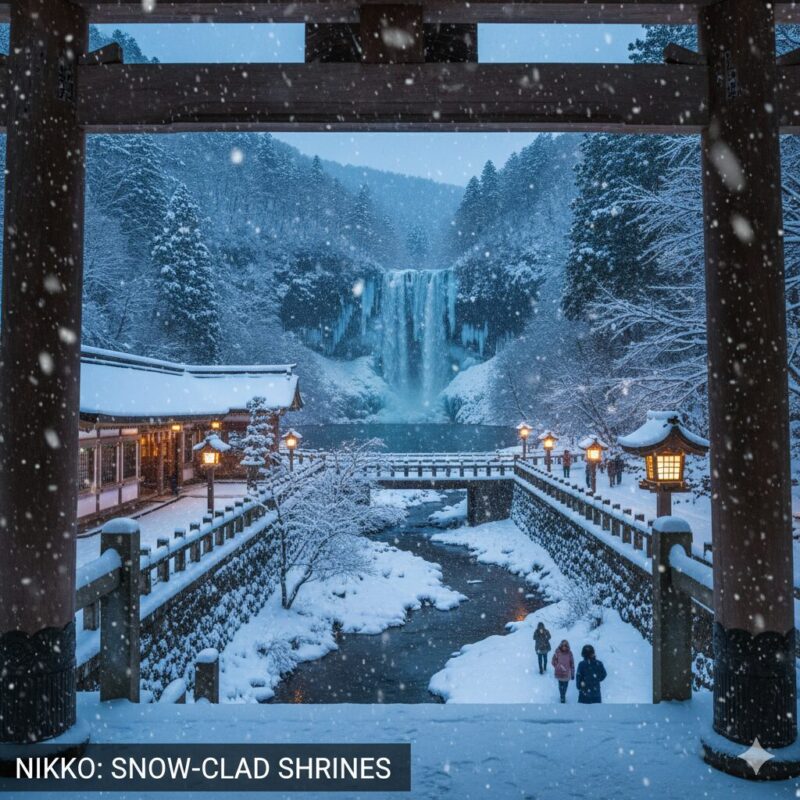
Why go: Winter adds a calm, spiritual quality to Toshogu Shrine and surrounding temples, with snow paths and forested streams creating a peaceful atmosphere away from peak season crowds. The ornate carvings of Toshogu are framed beautifully by snow. Kegon Falls partially freezes in deep winter, creating dramatic ice columns. Lake Chuzenji area transforms into a serene winter wonderland. Hot springs in Yumoto offer warmth after temple visits and winter walks.
Official tourism:
- ▶ https://www.visitnikko.jp/ (Nikko Tourism)
- ▶ https://www.nikko-kankou.org/ (Nikko City tourism)
Chichibu: Giant Icicles & Light-Up
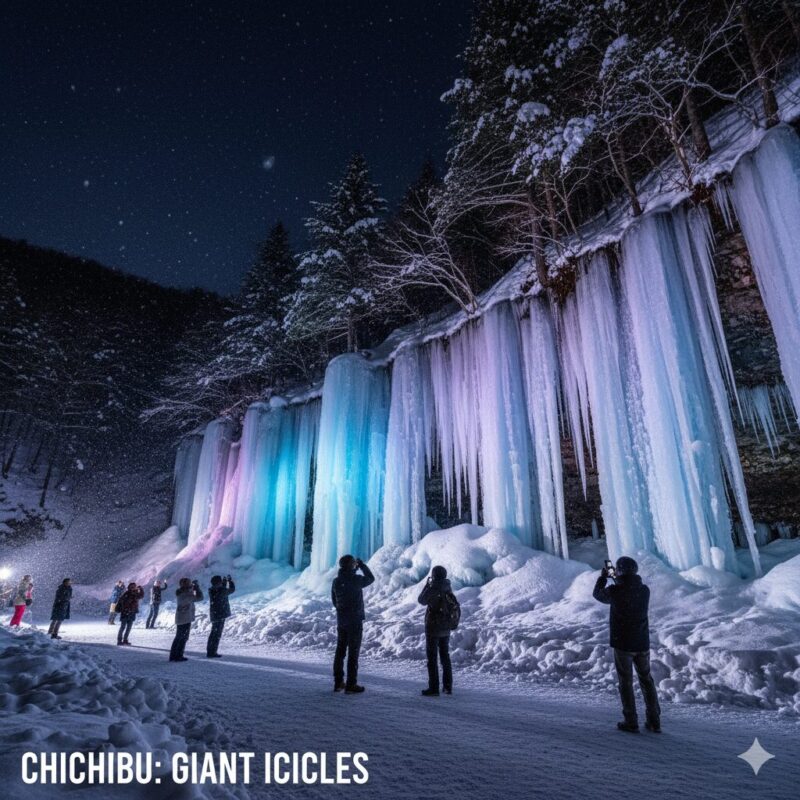
Why go: Close to Tokyo (2 hours by train), Chichibu’s natural icicle formations are among the most remarkable winter phenomena in the region. Night light-up turns them into an unforgettable spectacle of blues and purples reflecting off massive ice columns. The area also hosts the famous Chichibu Night Festival in early December. Winter hiking trails, local sake breweries, and soba restaurants add to the appeal. Combine with visits to nearby Nagatoro for scenic winter river views.
Event Highlight:
- Icicles of Misotsuchi Light-Up: Early Jan–late Feb with illuminated giant icicles created by spraying water that freezes layer by layer.
- ▶ Event info: https://navi.city.chichibu.lg.jp/p_flower/1808/
Official tourism:
- ▶ https://navi.city.chichibu.lg.jp/ (Chichibu City tourism)
Budget Tips & Approximate Costs
Travel passes
- JR Tokyo Wide Pass: ~¥15,000 (~$115), unlimited 3-day travel to many snow destinations including Nikko, Echigo-Yuzawa, and parts of Tohoku.
- Budget flights to Hokkaido: Often ¥9,000–¥15,000 (~$70–$120) return from Tokyo (Haneda/Narita).
Accommodation & Meals
- Hostels/guesthouses: ~¥3,500–¥8,000 (~$26–$60) per night.
- Business hotels: ~¥8,000–¥12,000 (~$60–$95) per night.
- Ryokan with meals: ~¥15,000–¥30,000+ (~$115–$230+) per person.
- Local meals (ramen, bentos): ~¥500–¥1,000 (~$4–$8).
- Restaurant meals: ~¥1,500–¥3,000 (~$11–$23).
Winter activities
- Free scenic viewing: no cost at most locations.
- Snow play / ice sculpture sites: often ~¥1,000–¥4,000 (~$8–$30) for attractions.
- Ski lift passes: ~¥4,000–¥6,000 (~$30–$45) per day.
- Onsen day-use bathing: ~¥500–¥1,500 (~$4–$11).
Practical Planning Tips
- Book early for snow festivals, especially February–March peak season. Accommodation near popular events sells out months in advance.
- Check official event pages above for exact dates before planning, as dates can vary year to year.
- Dress in waterproof layers, as winter conditions can be intense with temperatures often below freezing and heavy snowfall.
- Combine festivals and sightseeing for the best snow experience and value.
- Reserve light-up events. Some events like Shirakawa-go require advance reservations.
- Plan for weather delays, as heavy snow can affect transportation schedules.
- Bring proper footwear. Slip-resistant boots are essential for icy conditions.
Start planning your winter adventure and experience Japan’s magical snow season!
-300x200.avif)

Comments