
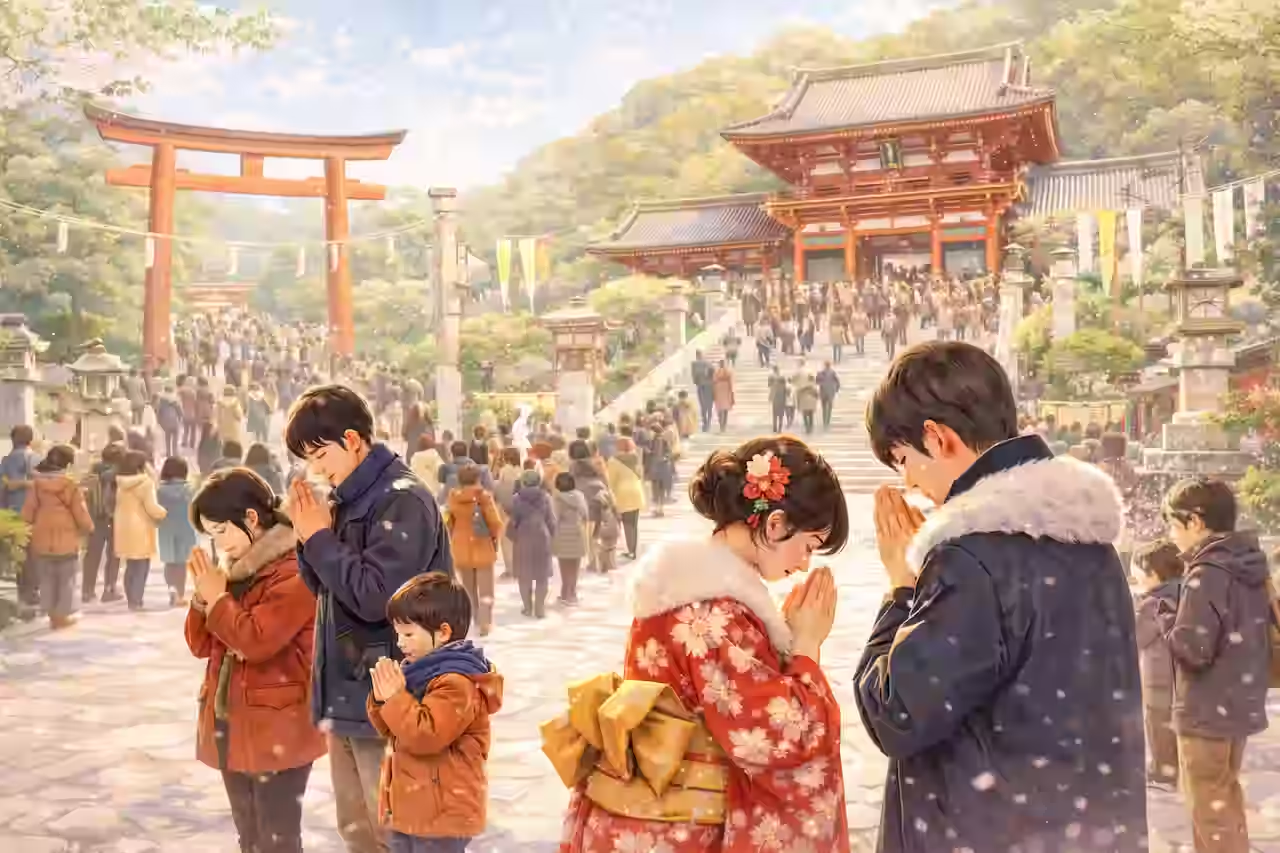
As the old year fades and the new one dawns, millions of people across Japan participate in Hatsumode, the first shrine or temple visit of the year. This profound cultural tradition is not merely a ritual; it is a shared moment of gratitude, reflection, and hope for the future. In the bustling Kanto region, which encompasses Tokyo and its surrounding prefectures, the options for this spiritual journey are as diverse as the landscape itself. From the neon-lit heart of Shibuya to the snow-dusted mountains of Gunma, Kanto offers a spiritual sanctuary for every type of traveler.
This guide explores the top destinations for Hatsumode in the Kanto region, selected for their historical significance, breathtaking scenery, and spiritual potency. whether you are seeking martial protection, romantic luck, or simply a moment of peace amidst the festive crowds, these shrines offer a meaningful start to the New Year.
Selection Criteria: How We Chose Kanto’s Best
With thousands of shrines scattered across the Kanto plain, selecting the “best” requires a careful balance of history, atmosphere, and accessibility. The destinations in this guide were chosen based on five key pillars:
- Hatsumode Popularity: The energy of the crowd is part of the New Year experience. We looked at annual visitor numbers, where massive attendance—such as the millions who flock to Meiji Jingu—signifies a site’s cultural importance and the collective energy of the community.
- Historical Significance & Tradition: A New Year visit is a bridge to the past. We selected shrines with deep roots, such as the ancient Musashi Ichinomiya Hikawa Shrine, and those preserving unique local traditions like specific purification rites or samurai heritage.
- Regional Accessibility: The Kanto region is vast. Our list includes iconic spots across Tokyo, Kanagawa, Saitama, Chiba, Tochigi, Gunma, and Ibaraki, ensuring that a spiritual refuge is accessible via major transport hubs like Tokyo Station, Yokohama, or Omiya.
- Unique Blessings: Different shrines specialize in different divine favors. From the matchmaking fame of Kawagoe Hikawa to the traffic safety of Katori Jingu, these locations offer specific blessings relevant to visitors’ hopes for the coming year.
- Atmosphere and Scenery: Whether it is the “power spot” energy of a mountain temple or the manicured beauty of a city shrine, the aesthetic experience is crucial for a memorable visit.
1. Meiji Jingu (Tokyo) – The Heart of the Capital
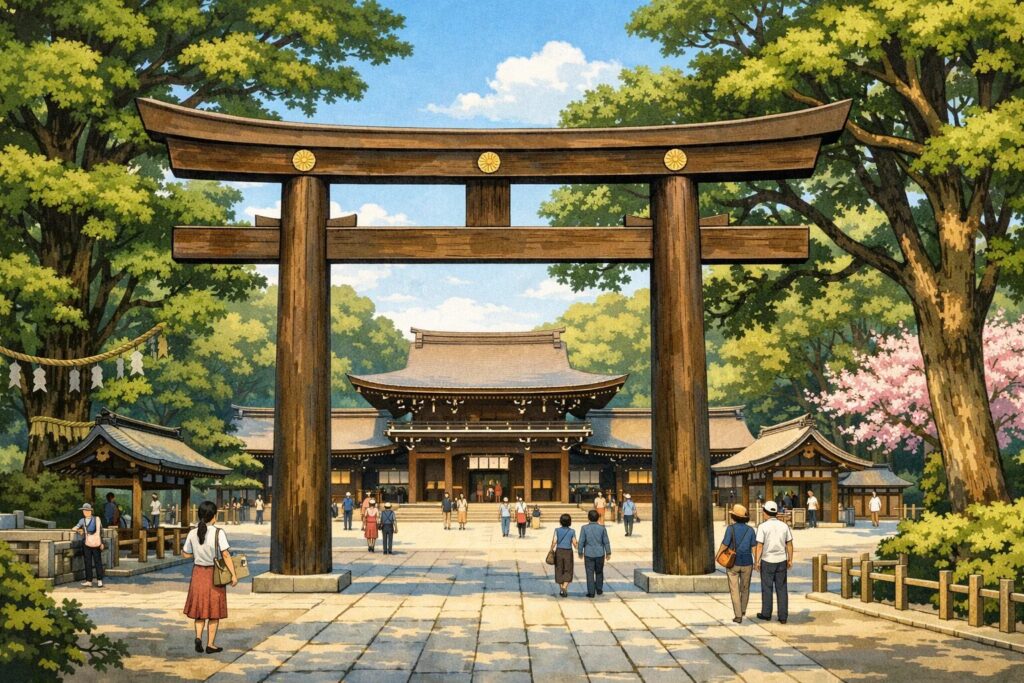
Tokyo’s Premier Shrine Experience
Situated in Shibuya, just moments from the pop-culture hub of Harajuku, Meiji Jingu stands as a miraculous contrast to its surroundings. It is famous for its lush, sprawling forest—a man-made woodland created over a century ago that now feels entirely ancient and natural.
The Experience:
Meiji Jingu offers the quintessential Tokyo Hatsumode. It is a blend of serenity and excitement. While the approach to the main hall is filled with massive crowds (often exceeding three million visitors in the first three days), the atmosphere remains surprisingly peaceful and respectful. It is a place where the modern pulse of the city meets the quiet dignity of the Imperial past.
- Pros: Incredible accessibility and a family-friendly environment. The wide gravel paths accommodate the masses well.
- Cons: The crowds are legendary. Expect significant wait times and police-guided walking routes during the first three days of January.
- Best For: First-time visitors and locals alike who want to experience the “main event” of Tokyo’s New Year traditions.
2. Naritasan Shinshoji Temple (Chiba) – A Spiritual Power Spot
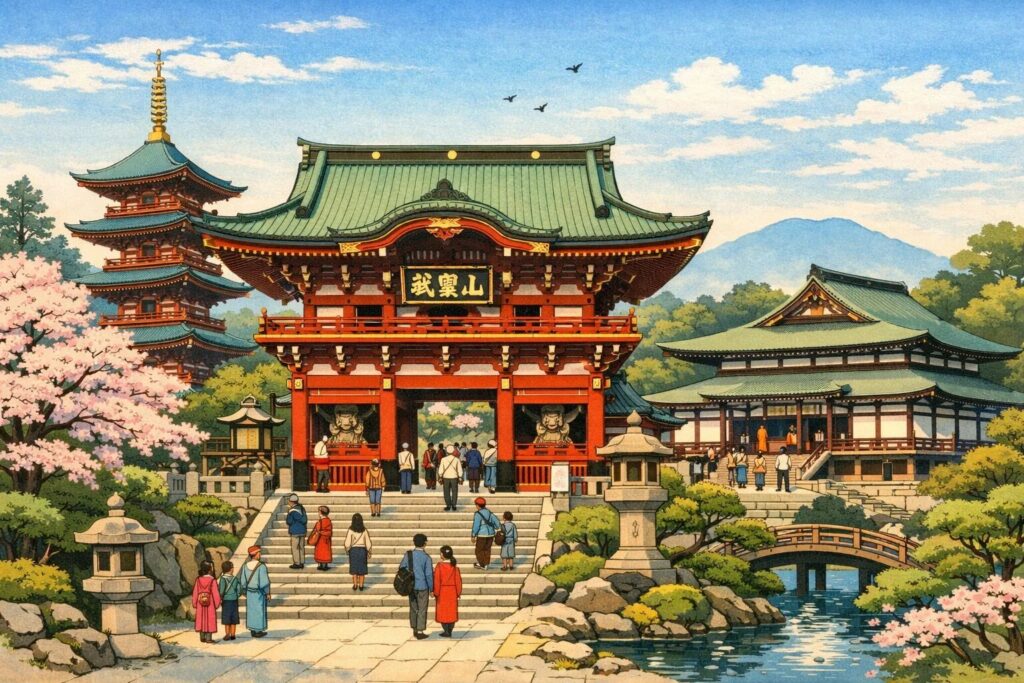
Protector of Travelers
Though technically a Buddhist temple rather than a Shinto shrine, Naritasan Shinshoji is a titan of Hatsumode culture in Chiba. Its proximity to Narita International Airport makes it a symbolic gatekeeper for those entering or leaving Japan.
The Experience:
The temple is famous for its Goma fire rituals, a mesmerizing ceremony where wooden sticks symbolizing human desires are burned in a consecrated fire to invoke wisdom and clarity. The vast temple grounds are a joy to explore, featuring pagodas, parkland, and a bustling approach lined with shops selling unagi (eel), a local delicacy.
- Pros: The “Omotesando” street leading to the temple is festive and filled with food stalls. It is also the perfect spot to pray for travel safety before a flight.
- Cons: The complex is massive and involves a fair amount of walking, including steep stairs.
- Best For: Travelers seeking a blessing for the road ahead and foodies looking to enjoy a festive market atmosphere.
3. Tsurugaoka Hachimangu (Kanagawa) – Kamakura’s Spiritual Heart
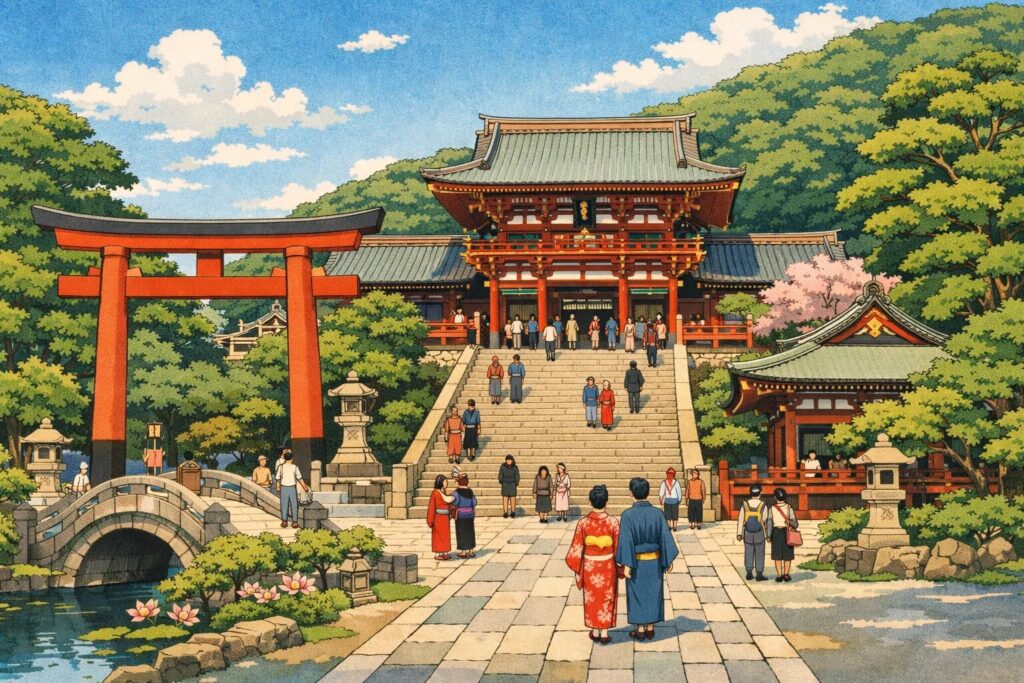
The Samurai Shrine
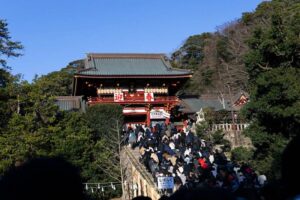
Located at the end of a grand avenue lined with cherry trees, Tsurugaoka Hachimangu is the soul of Kamakura. As the former capital of the Minamoto shogunate, the shrine is steeped in samurai history and martial tradition.
The Experience:
The approach to the shrine, known as the Dankazura, sets a majestic tone. Visitors climb the grand stone steps to look back over the city toward the sea. The shrine grounds feature beautiful ponds and traditional architecture that transport you back to the 12th century. It sits adjacent to Komachi Street, a vibrant shopping district perfect for post-worship dining.
- Pros: A rich cultural atmosphere with deep historical roots. The combination of history, nature, and nearby shopping makes for a full day trip.
- Cons: Traffic controls are strict during New Year’s, and parking is nearly impossible. Public transport is highly recommended.
- Best For: History enthusiasts and those wanting to explore the “Kyoto of the East.”
4. Musashi Ichinomiya Hikawa Shrine (Saitama) – The Grand Shrine
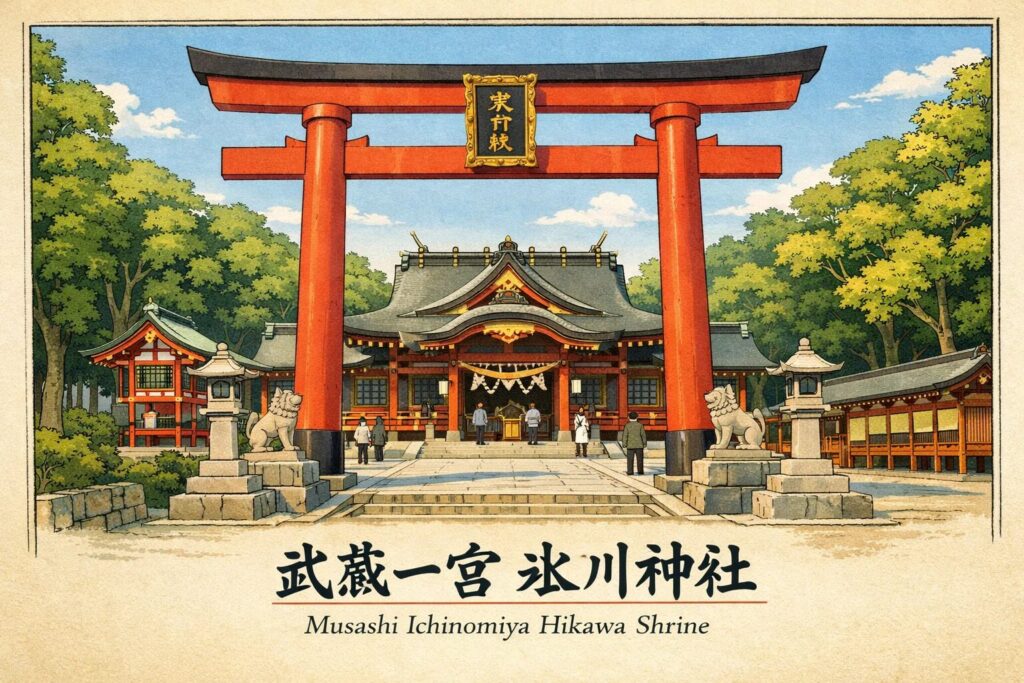
The Region’s Ancient Guardian
Often referred to simply as Omiya Hikawa Shrine, this site boasts a history spanning over 2,000 years. It is the head shrine of approximately 280 Hikawa shrines in Japan and served as the chief shrine of the ancient Musashi province (which included Tokyo and Saitama).
The Experience:
Walking the longest sando (approach path) in Japan, lined with towering zelkova trees, builds a sense of anticipation. The shrine grounds are expansive, featuring vermilion gates and scenic ponds that reflect the changing seasons. During New Year, the energy here is palpable, often featuring traditional performances like the Lion Dance.
- Pros: An immersive, traditional atmosphere that feels grand yet welcoming. It is the definitive spiritual center for Saitama residents.
- Cons: Due to its status as a premier shrine, parking is very limited during the holiday season.
- Best For: Families and those seeking an authentic, energetic start to the year at one of Kanto’s oldest spiritual sites.
5. Kawagoe Hikawa Shrine (Saitama) – The Shrine of Enmusubi
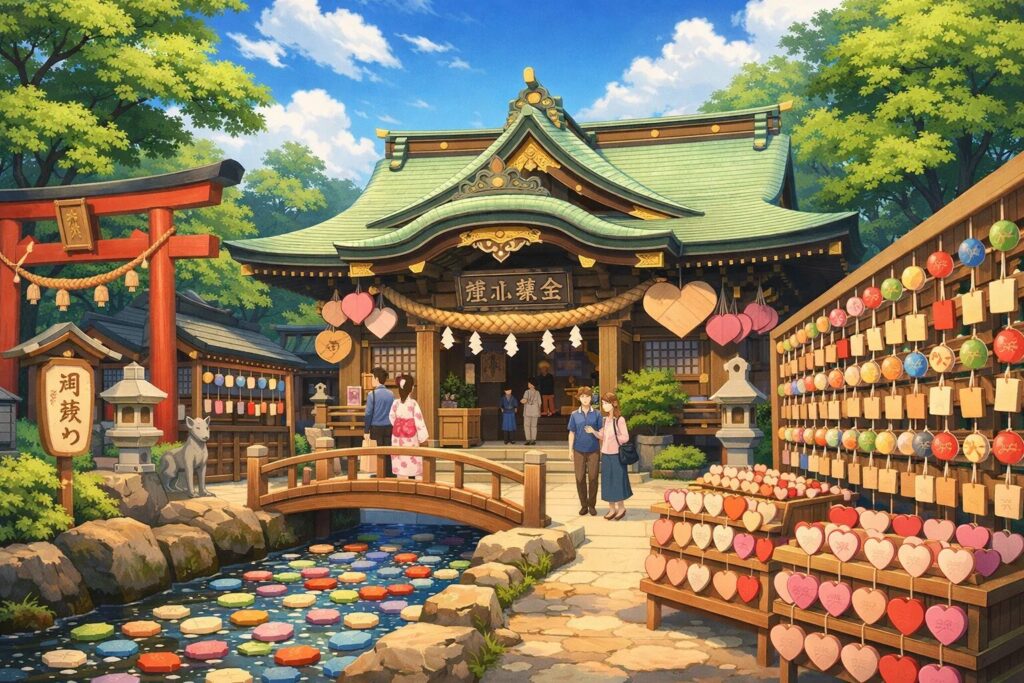
Seeking Love and Connection
Located in “Little Edo” Kawagoe, this shrine is distinct from the Omiya Hikawa Shrine and is renowned for Enmusubi—the tying of knots, symbolizing matchmaking and relationships.
The Experience:
Kawagoe Hikawa is visually stunning and undeniably romantic. It is famous for its “fishing” style omikuji (fortune slips), where visitors use a small rod to fish for a tai (sea bream) figurine containing their fortune. While famous for summer wind chimes, the New Year brings a focus on relationship blessings and “red thread of fate” charms.
- Pros: Unique, interactive rituals that make the visit fun and memorable. The surrounding town of Kawagoe offers a wonderful historical backdrop.
- Cons: The queue for limited-edition New Year charms (such as the matchmaking stones) can be very long, requiring early arrival.
- Best For: Couples, singles seeking love, and anyone valuing deep human connections.
6. Nikko Toshogu (Tochigi) – World Heritage Splendor
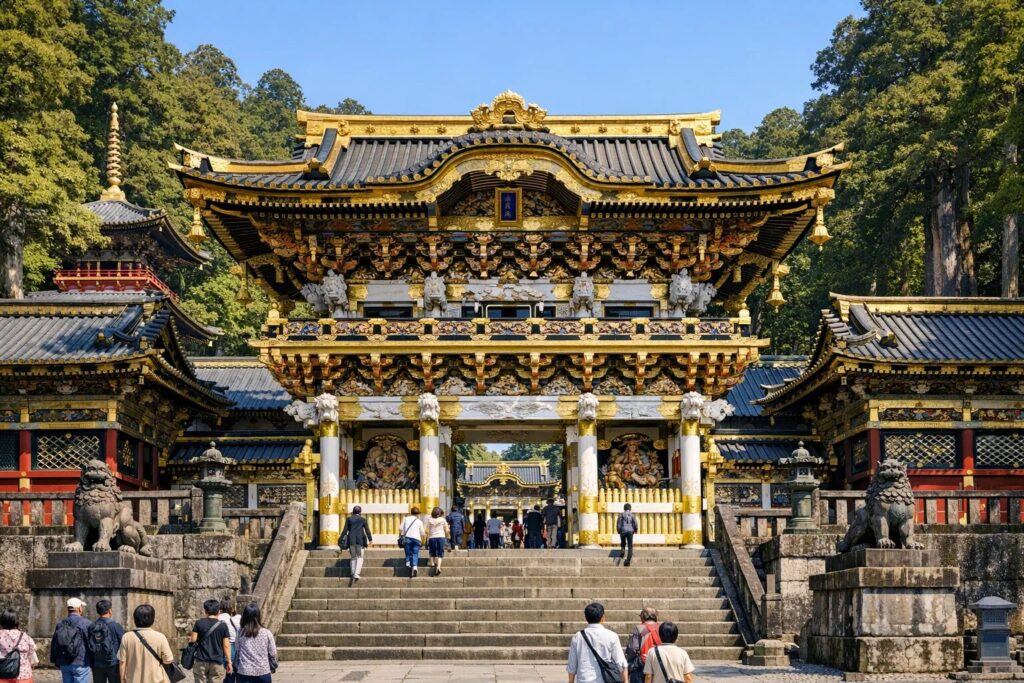
A Golden Tribute
Nikko Toshogu is not just a shrine; it is a masterpiece of craftsmanship and a UNESCO World Heritage site. Dedicated to Tokugawa Ieyasu, the founder of the Tokugawa Shogunate, it is arguably the most lavishly decorated shrine in Japan.
The Experience:
Surrounded by towering cedars and the crisp mountain air of Tochigi, the shrine dazzles with gold leaf, intricate wood carvings (including the famous “Three Wise Monkeys”), and vibrant colors. A New Year visit here feels momentous, combining the spiritual with the artistic.
- Pros: Unparalleled visual splendor and a setting that feels removed from the mundane world.
- Cons: It is a longer journey from Tokyo, and winter in Nikko can be very cold, with snow affecting footing.
- Best For: Art lovers and those willing to travel for a spectacular, world-class cultural experience.
7. Kashima Jingu (Ibaraki) – The Martial Arts Shrine
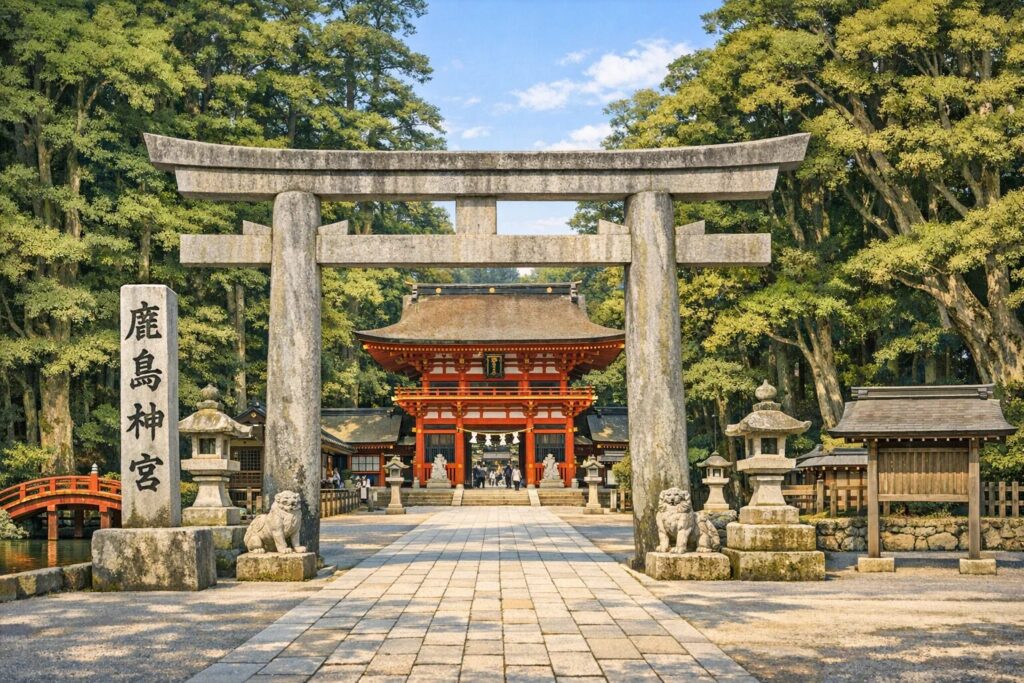
Strength and Victory
Deep in Ibaraki, Kashima Jingu stands as a testament to martial heritage. Dedicated to Takemikazuchi-no-Okami, the deity of martial arts and thunder, it is a pilgrimage site for budo practitioners and samurai history buffs.
The Experience:
The shrine is ancient and majestic, featuring a dense forest that feels untouched by time. Visitors are greeted by a grand torii gate and can visit the deer park, where the animals are considered messengers of the gods. Occasional martial arts demonstrations held here add a dynamic layer to the spiritual visit.
- Pros: A deep, stoic atmosphere that inspires focus and determination. It is less commercialized than Tokyo shrines.
- Cons: Public transport access can be infrequent compared to city centers; planning is required.
- Best For: Martial artists, athletes, and anyone seeking victory or resilience in the New Year.
8. Katori Jingu (Chiba) – The Mystical Sentinel
Guardian of Peace
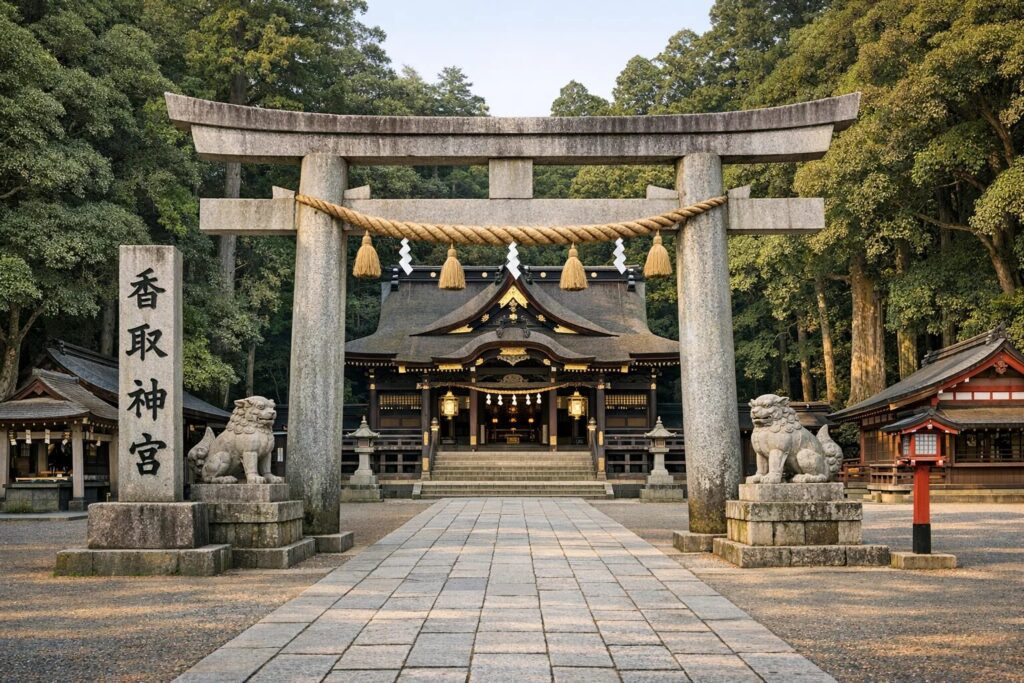
Often visited in conjunction with Kashima Jingu, Katori Jingu is another of the great ancient shrines of the east. With over 2,600 years of history, it is dedicated to Futsunushi-no-Kami, a warrior deity.
The Experience:
Katori Jingu is known for its “black” main hall (a dark lacquer) which creates a striking, dignified appearance. The atmosphere is often described as mystical or “airy,” possessing a heavy, sacred silence that offers deep tranquility. It is particularly famous for charms protecting against traffic accidents and disasters.
- Pros: Far fewer crowds than metropolitan shrines, allowing for genuine prayer and contemplation.
- Cons: Like Kashima, it is in a rural location with limited English support and public transport.
- Best For: Those seeking a solemn, authentic experience and powerful protection for the year ahead.
9. Ikaho Shrine & Akagi Shrine (Gunma) – Nature’s Sanctuaries
Hot Springs and Mountain Lakes
Gunma Prefecture offers two distinct experiences that combine spirituality with nature.
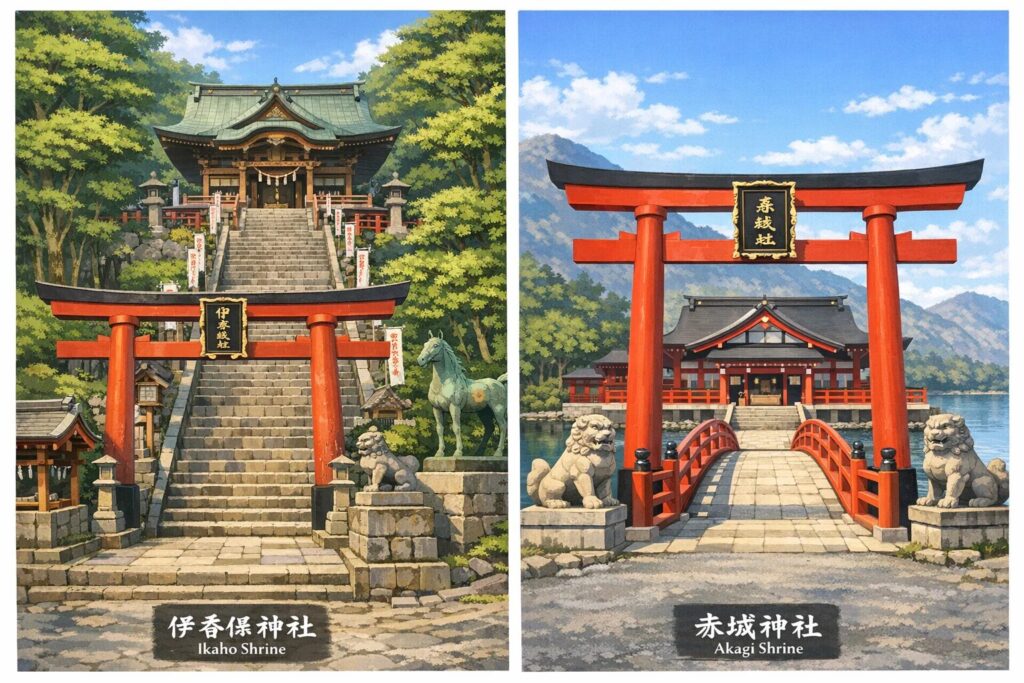
Ikaho Shrine: Situated at the top of 365 stone steps in the famous Ikaho Onsen town, this shrine rewards the physical effort of the climb with stunning views.
- Why visit: It combines spiritual renewal with physical relaxation. After praying, visitors can soothe their tired legs in the therapeutic hot springs below.
Akagi Shrine: Located on the shores of Lake Onuma at the base of Mt. Akagi, this shrine is breathtakingly scenic, featuring a vibrant red bridge spanning the water.
- Why visit: Dedicated to a goddess who protects women, it offers a serene, beautiful backdrop. The crisp mountain air and snow-capped scenery create a “winter wonderland” vibe.
- Pros: Both offer a retreat from the city and a connection to nature’s healing power.
- Cons: Remote locations; Akagi in particular requires a car and preparation for winter driving conditions.
- Best For: Nature lovers and wellness seekers wanting a “retreat” style New Year.
10. Ikisu Shrine (Ibaraki) – The Hidden Gem
The Shrine of Life
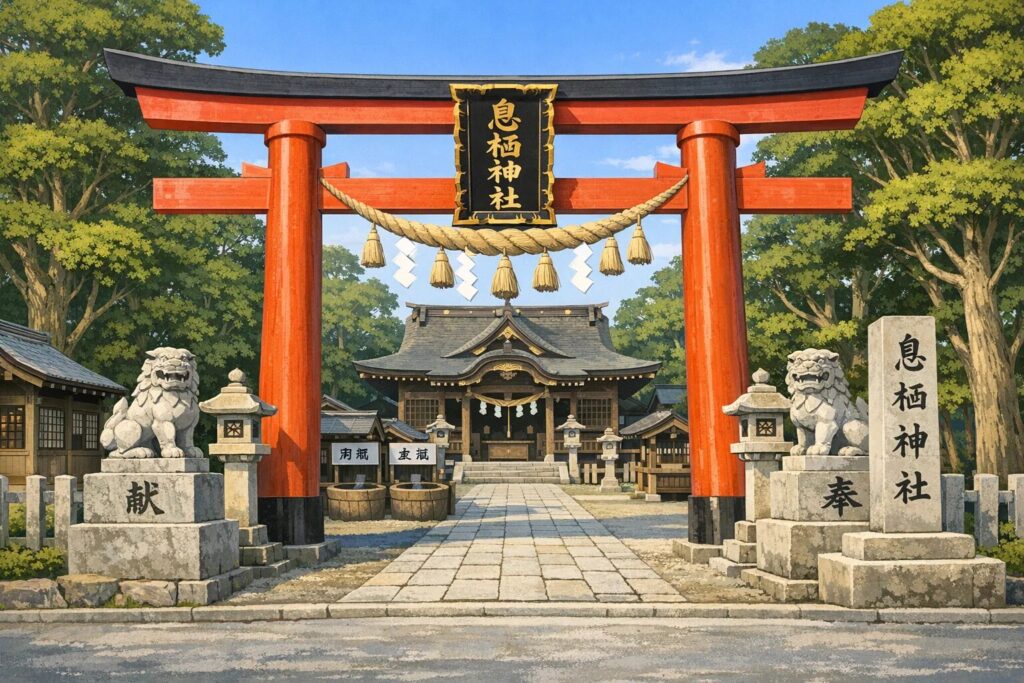
Rounding out the list is Ikisu Shrine, the third of the “Three Shrines of Eastern Kanto” (along with Kashima and Katori). Though smaller, it is revered for blessings of longevity and health.
The Experience:
This shrine is a hidden sanctuary. It lacks the pomp of Nikko or the crowds of Meiji, offering instead a lush, tranquil setting known for its “power spot” energy. The crystal-clear springs near the torii gate are a highlight, symbolizing purity and life.
- Pros: An aura of mystical calm and very few crowds.
- Best For: Those prioritizing personal well-being, health, and a quiet communion with the divine.
Recommended Combination Routes for a Perfect New YearTo make the most of your Hatsumode trip, consider combining these shrines into thematic itineraries
1. The Culture-Hopper’s Route (Tokyo & Saitama)
- Plan: Start your morning at Meiji Jingu to witness the sheer scale of Tokyo’s celebrations. Afterward, enjoy the New Year sales in Harajuku or Shibuya. In the afternoon, take the train to Kawagoe Hikawa Shrine.
- Vibe: A mix of modern urban energy and nostalgic, Edo-period romance.
2. The Scenic Wellness Retreat (Gunma or Tochigi)
- Plan: Head to Nikko Toshogu or Akagi Shrine. After paying your respects in the crisp mountain air, retreat to a nearby onsen (hot spring) resort—Kinugawa Onsen near Nikko or Ikaho Onsen in Gunma.
- Vibe: Serene, restorative, and visually spectacular. A treat for the body and soul.
3. The Family Day Out (Chiba)
- Plan: Visit Naritasan Shinshoji Temple. Let the kids enjoy the colorful food stalls and the open park spaces. Finish the day exploring the traditional shops of Narita city or watching planes at the airport.
- Vibe: Lively, tasty, and full of activity to keep all ages entertained.
4. The Photographer’s Journey (Kanagawa)
- Plan: Visit Tsurugaoka Hachimangu early to catch the morning light on the ponds and torii gates. Follow this with a trip to the nearby Enoshima coast to see Mt. Fuji (visibility permitting) and the ocean.
- Vibe: Aesthetic beauty, history, and coastal chill.
5. The Deep Spiritual Circuit (Ibaraki & Chiba)
- Plan: For the dedicated seeker, rent a car and complete the “Togoku Sansha” pilgrimage: Kashima Jingu, Katori Jingu, and Ikisu Shrine.
- Vibe: Profound, mystical, and intensely traditional. A journey for deep contemplation.
Conclusion
The Kanto region offers a remarkable tapestry of spiritual sites, each weaving its own story of history, nature, and community. Whether you choose the vibrant energy of Meiji Jingu, the mountain solitude of Akagi Shrine, or the historical grandeur of Nikko Toshogu, engaging in Hatsumode is a powerful way to ground yourself for the year ahead.
Omiya Hikawa Shrine invites families to walk its sacred paths; Ikaho offers healing waters; and Naritasan promises protection for life’s journeys. Ultimately, the “best” shrine is the one that resonates with your personal hopes for the New Year. As you clap your hands in prayer and bow before the sanctuary, you are not just observing a Japanese tradition—you are partaking in a shared joy of discovery and the universal human desire for a bright, fortunate future.
Comments